Check out what premium Episodes subscribers were reading in June!
Here's what our premium subscribers were reading in June.

Hello, free subscribers! Last week, we finished out June, and with it a very busy month of publishing for Episodes. We published 18 pieces this month, with new writing from us every single Monday, Tuesday, Wednesday, and Friday.
Premium Episodes subscribers got all those pieces right in their inboxes, along with Discord access, the ability to ask questions for the Mailbag, and other fun extras. Free subscribers did get a few extra pieces this month (in addition to the usual every-other-Wednesday newsletters) during our preview week, which ran from June 15–19. We think those pieces were neat, too! But we thought you might want a sneak peek of some of the ones you missed out on as well.
Want to unlock all these pieces and more? Pick up a premium subscription using the button below!
The only thing Mad Men's Don Draper can't escape is himself | Emily St. James, June 4 2026
 Emily St. James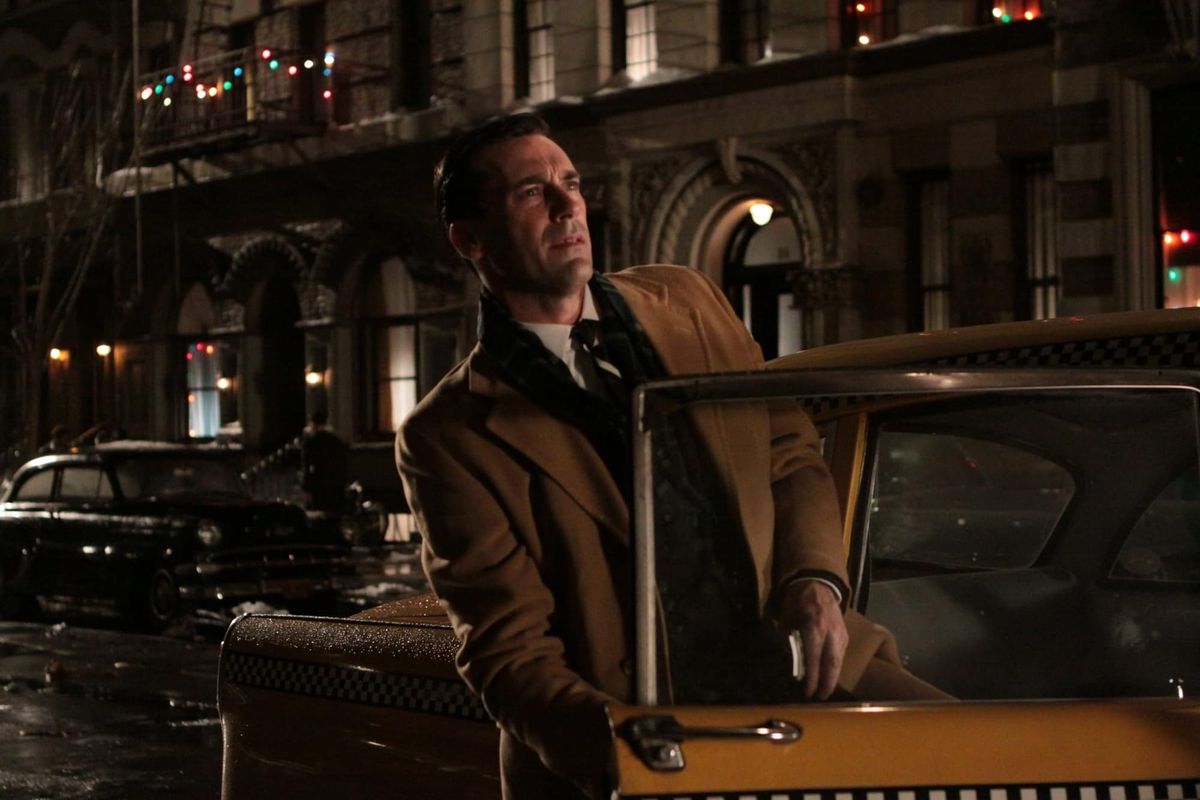
The defining character trait of Don (Jon Hamm) is how little he likes being trapped. Each season of the series involves a noose slowly closing around him until he nimbly avoids it at the last minute. In the early run of the show, the twists and turns he undertakes are thrilling to watch as he navigates the corporate intrigue of the early 1960s advertising game and lives to fight another day. The combination of his creative genius, willingness to play by his own rules, and sheer appetite for risk make him a terrific TV protagonist. Once you learn that all of these qualities are rooted in a life story that involved outrunning his own past, he ascends to one of the best TV protagonists ever.
What is most prescient about Mad Men, however, is its understanding that Don's refusal to be boxed in doesn't make him good or even good at what he does so much as it makes him interesting. A willingness to break things in pursuit of something greater in the business world can be enthralling, but that same tendency when applied to his personal relationships is far harder to stomach, and, even in his professional life, people are frequently begging him to just settle down for five seconds already. Across the run of the show, Don seems to only have anything like actual, hard-earned love and respect for two people: his protégé Peggy (Elisabeth Moss) and his daughter Sally (Kiernan Shipka). His wives, his friends, his girlfriends, his closest coworkers — he betrays all of them at one point or another, and he often doesn't seem to particularly care. And, yes, he betrays Peggy and Sally too. Often. He just seems like he maybe feels a little bad about it.
June mailbag | Emily St. James and Lily Osler, June 12 2026
 Emily St. James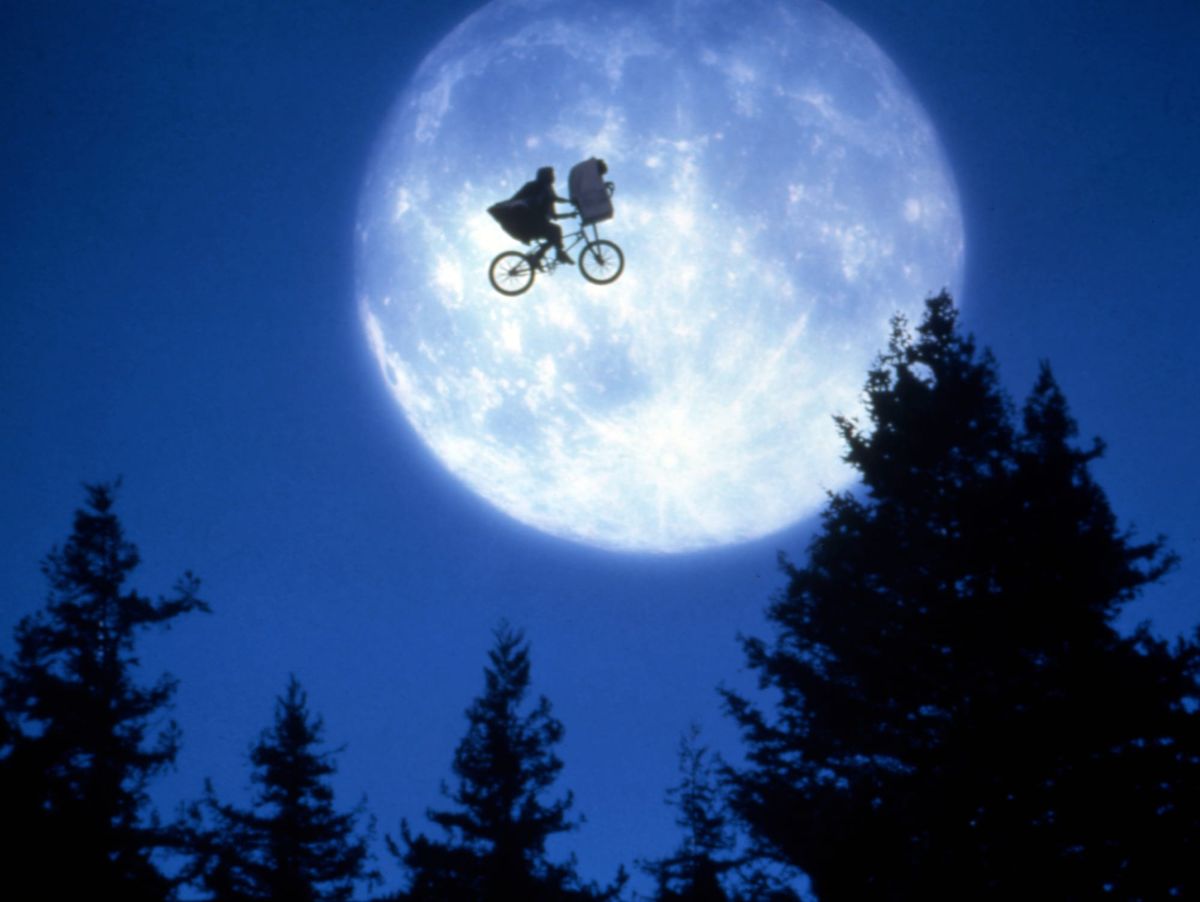
Steph's Corner asks:
Which classical literature characters would thrive at Pride?
Emily: It is no secret that Ishmael and Queequeg from Moby-Dick are gay boys who love each other, but would they live it up at Pride? That's an open question. I think Ishmael would be a little shy, and Queequeg would find the corporatization of the event mildly distasteful, but I suspect they would have a good time.
Pierre Bezukhov from War and Peace is a closeted egg, so while I think he would have a good time at Pride, it would also drive him slightly deeper into despair and dissociation. Then again, he seems to do a lot of his best work while dissociating, so maybe he would appreciate the experience.
I do think Nick Carraway and Jordan Baker from The Great Gatsby would enjoy getting away from the endless drama of their straight friends' lives and enjoying Pride as a straight-passing bisexual couple. Nick would probably write a very irritating manifesto about how Pride is for everyone that I would agree with intellectually and still share on social media platforms with a snide dunk because it was so annoying.
Jo March would come out as a lesbian on day one of Pride. She would come out as a trans man on day two. On day three, he would be reminded by Marmee that while she supports him in all his endeavors, a young Christian gentleman has certain responsibilities, and it's time for him to find a wife and make God proud. He would never attend Pride again.
Bella from Twilight would star in a misunderstood Christmas romcom about lesbians that would actually be far better than its reputation, if only one had eyes to see. She would not attend Pride. Too much sun.
A Knight of the Seven Kingdoms: Episode 5, "In the Name of the Mother" | Lily Osler, June 23 2026
 Lily Osler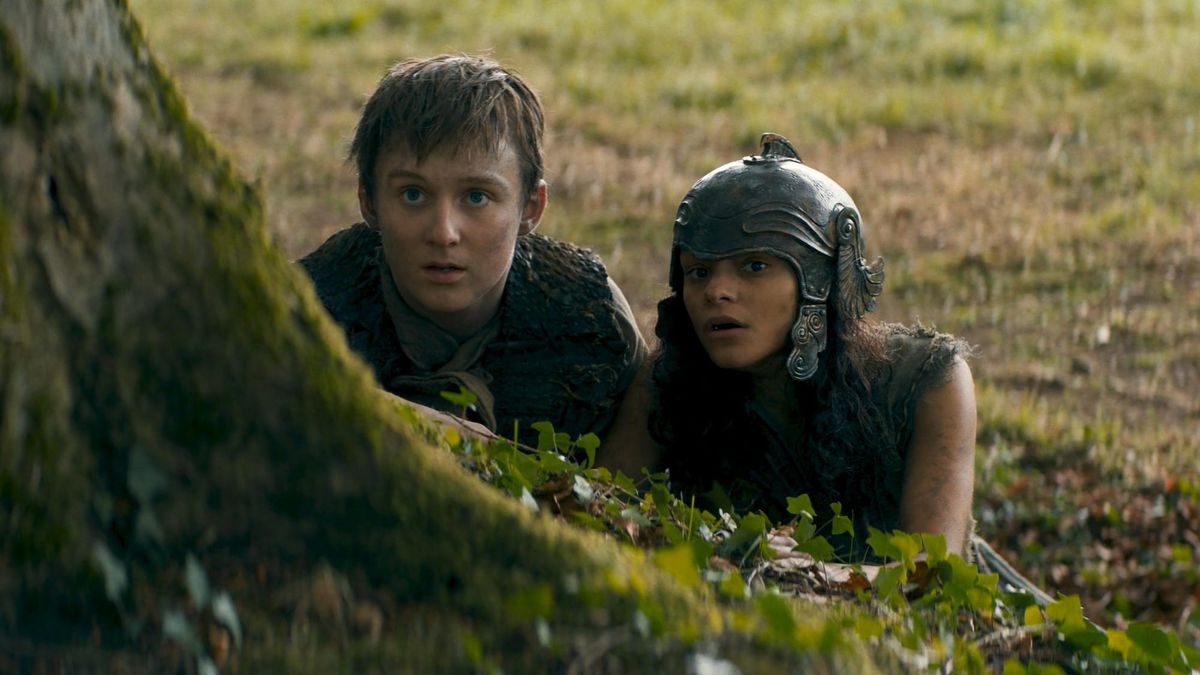
I'm not opposed to late-season flashback episodes like "In the Name of the Mother" on principle, but I do tend to hold them to a pretty high standard. The trauma plot — the subject of so much of my ire on Episodes over the last year! — is a lazy and irritating way of telling a story, but it's also just one case of a broader phenomenon: the temptation to use the revelation of a character's backstory as the emotional climax of a work of art.
Done poorly, these kinds of revelations are a thin imitation of the sort of emotional catharsis you'd hope to get from a story. They insist that a person is only their past while refusing to move them toward anything new or interesting. Is this a problem with every climactic flashback? Of course not. But if a flashback is going to resonate with me, I need it to push things forward, not backward. I need it to make the present moment of the story keener and more thematically astute, to harmonize with it rather than overwhelm it. It's a high bar!
And it's one that "In the Name of the Mother" clears with ease. In an exceptionally strong half-hour, A Knight of the Seven Kingdoms shows us the last time Dunk felt that he might not escape a set of circumstances that threatened to crush him to pieces. In languorous shots and fluid montages that contrast with child-Dunk's quivering terror at the state of his life, it shows us the hinge point of Dunk's entire life: him meeting Ser Arlan of Pennytree as a child in Flea Bottom. It's sad and strange but never pitying or saccharine, and it makes what might otherwise have been a rote beat at the end of the episode into one of the sadder things I've seen on a TV screen this year.
Episodes Monday Rundown June 15–21 2026 | Emily St. James and Lily Osler, June 22 2026
 Emily St. James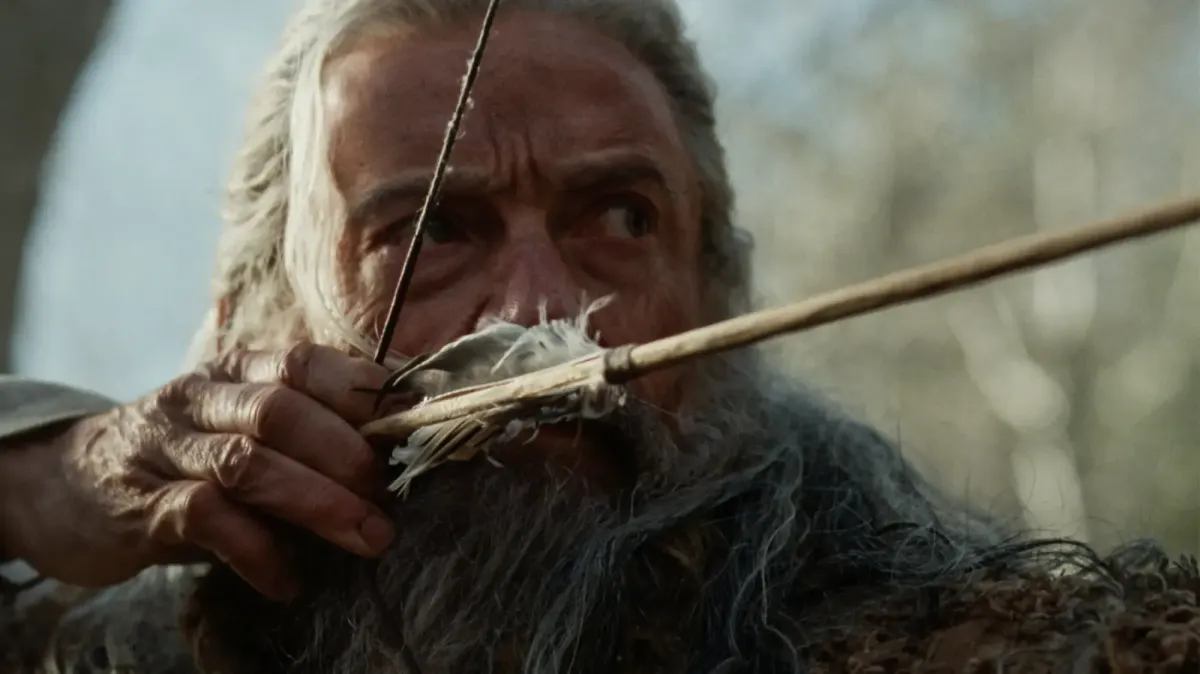
The Death of Robin Hood (dir. Michael Sarnoski, 2026): I had been looking forward to this film for reasons I found slightly hard to explain. While I've liked Sarnoski's prior films, I wouldn't say I'm a huge fan of either, and "a gritty take on Robin Hood" doesn't scream anything all that interesting or original. I liked the trailers fine, but, again, not so completely that it would explain my anticipation. I guess I just like when characters are old? Because I'm old?
Anyway, the tepid critical response to this movie had me even more trepidatious. And the critics were right! This is an ultra-grim, slightly ponderous movie that complicates the Robin Hood legend for no real good reason. The third act is almost absurdly anti-commercial, and the ultra-violent first act is anti-commercial in an entirely different way. It is a well-acted slog that takes a legend who speaks potently to our times — robbing from the rich to pay the poor, etc., etc., etc. — and sullies his good name.
And I fucking loved it.
Disclosure Day is about what we refuse to know | Lily Osler, June 26 2026
 Lily Osler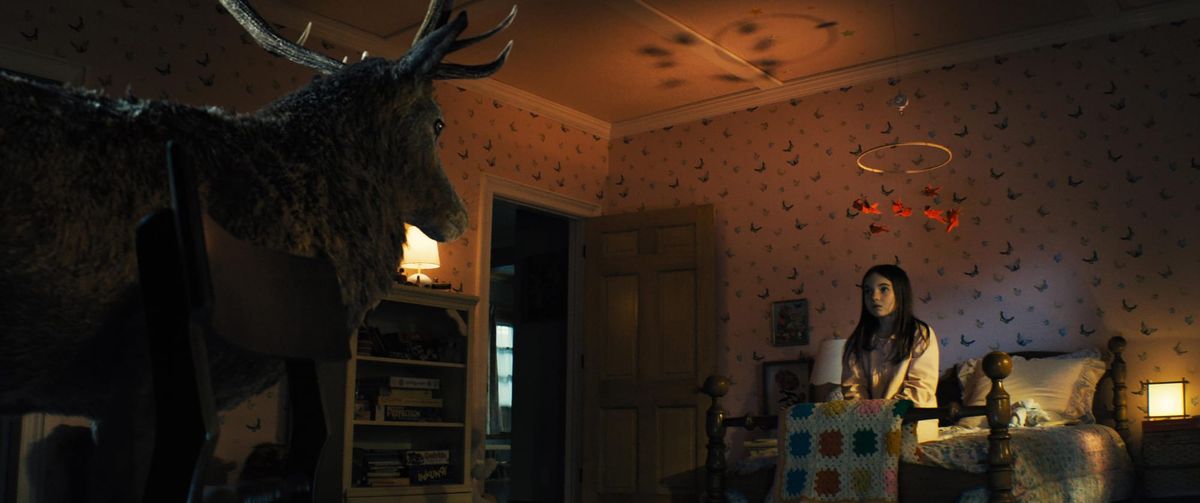
If there's one thing Disclosure Day's critics and defenders can agree on, it's that the movie is fascinatingly naïve.
Its entire plot — its entire moral architecture, even — hinges on the idea that to show someone evidence of governmental wrongdoing will, in 2026, spur them to immediate empathy and (maybe?) action. In this beautiful fantasy world, there is no question about whether torturing another sentient being is wrong or, y'know, un-American. The film's long dialogues about faith have been the subject of both ridicule and praise, and I think both camps are pinging on the sheer weirdness of the film's insistence that the biggest moral quandary extraterrestrial life would present to an increasingly secular nation would be whether it might shake people's belief in God. And that's not even getting into the movie's profound, unshakeable faith in the power of broadcast news to instantly shape world events.
Is it optimistic, moving, even Lynchian (in the vein of The Straight Story or Elephant Man) for Spielberg to present an America that, as Emily astutely put it on Bluesky, seems to function the way it did in the early Clinton years? Is that naïveté a gorgeous counterbalance to the film's darker content? Or is it, as many of my friends who've seen the film insist, a sign that Spielberg's finally lost his touch, that he's let an increasingly long series of Spielberg gazes substitute for moral or emotional realism? Whichever side you fall on, it seems clear that whatever Disclosure Day is doing is tied intimately to the fact it seems to be set in a world parallel to, and somewhat gentler than, our own.
Well, except for the parts of it that are about my foundational trauma.
Intrigued? Want to read the rest of any/all? Just click the button below to pick up a premium subscription and enjoy Episodes in your inbox four times a week!