What really came to an end in The Americans' finale (preview)
A short preview of the latest 26 Episodes installment.

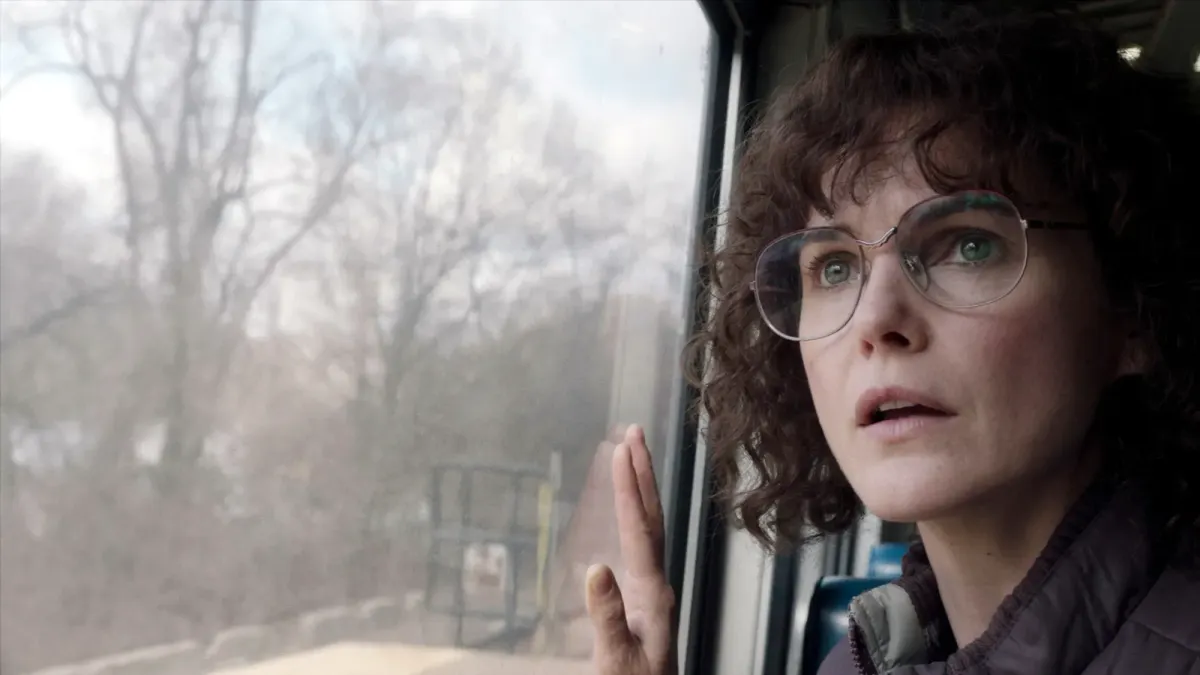
This is 26 Episodes, a biweekly series tracing the history of television in the 21st century via episodes that made the medium great. The episodes are arranged chronologically, from 2000 to 2025, and they're chosen by me, Emily St. James. This is not a "best episodes of the century" list, but every episode I write about is one worth watching in my opinion.
26 Episodes is only available to paid subscribers. If you want to read the rest, pick up a premium Episodes subscription using the button below!
When "the golden age of TV" – imagine a million qualifiers around that statement but go with me here – ended is an open question. Most critics and scholars will agree it began on January 10, 1999, when The Sopranos debuted and opened the floodgates for morally complex protagonists, simultaneously broadening the types of networks that had the budget to air original dramas. But the endpoint is harder to pin down. The one I've seen most frequently cited is May 17, 2015, when Mad Men ended its run, but allow me to suggest the actual end of this so-called golden age was May 30, 2018, when The Americans aired its series finale, "START."
I think it's useful to begin at the end with The Americans because it is the rare example of a TV show that reached its peak of both critical acclaim and commercial appeal in its very final handful of episodes. The show was never an awards magnet, but for its final season, it won Emmys for writing and lead actor (Matthew Rhys), as well as a Golden Globe for best drama series. Critics had always loved the show, but even there, the final season turned the heat on that love up a couple of degrees.
I think this critical consensus is mostly right. The final season of The Americans is my favorite season of the show – though I could be talked into Season 4 in a pinch – and so much of what makes it a success is the way it pays off six years of accumulated story. For instance, the show sets up in its pilot that KGB operatives Philip (Rhys) and Elizabeth Jennings (Keri Russell) live next door to FBI agent Stan Beeman (Noah Emmerich), and by the end of that pilot, Stan is snooping around the Jennings home, chasing down a vague hunch that there's something up with them.
This being television, we know that Stan will eventually learn the Jenningses' secret. But early in Season 1, Philip and Stan start to form a real friendship, and while we can intuit that this is Philip handling a bad situation, the friendship becomes deeper than either man perhaps would have predicted. By the final season, it's not impossible to argue that Stan and Philip are the most important person in each other's lives, outside of their respective wives and children. The depth of that relationship successfully blocks the "Stan figures things out" story path to such a degree that I'm willing to bet you forgot the pilot ended how I described above.
Still! Most shows would have dropped the "Stan finds out" beat somewhere in the middle of the show's run, if only to give the story some artificial juice. And almost every show I can think of would have had him figure things out somewhere in the early going of the final season. Not The Americans. The Americans waits to give Stan true suspicions until the penultimate episode of the whole show and only confirms them in the series finale, in a long, long, long scene where he confronts Philip, Elizabeth, and their daughter Paige (Holly Taylor) in a parking garage.
Want to read the rest? Upgrade to premium today!