The thing Transparent was smartest about was never trans identities (preview)
A preview of this week's premium Wednesday newsletter!

This is 26 Episodes, a biweekly series tracing the history of television in the 21st century via episodes that made the medium great. The episodes are arranged chronologically, from 2000 to 2025, and they're chosen by me, Emily St. James. This is not a "best episodes of the century" list, but every episode I write about is one worth watching in my opinion.
26 Episodes is only available to paid subscribers. If you want to read the rest, pick up a premium Episodes subscription using the button below!
Transparent is the first time this series has intersected with one of the signature TV forms of my TV criticism career — and one that has almost entirely disappeared from the air. It doesn't have a firm genre name, but I generally called it the "short film sitcom." Its progenitor was FX's Louis C.K. vehicle Louie, which I didn't want to write about for the obvious reasons, but the basic idea — building a comedy series around a strong point of view from a singular comedian, filmmaker, or other talent, making it on a budget, and making most episodes into tiny short films — spread everywhere.
These shows attracted plenty of awards attention. Transparent won eight Emmys and was nominated for numerous others. They were critically lauded. Yet anything like a mass audience rarely followed. Only FX's Atlanta drew something like a broad viewership, and perhaps not coincidentally, that show was the short film sitcom to most successfully blend the new form with the older bones of the meat-and-potatoes TV sitcom. Donald Glover was too much of a comedy writer at heart to do a show without at least a few belly laughs per episode.
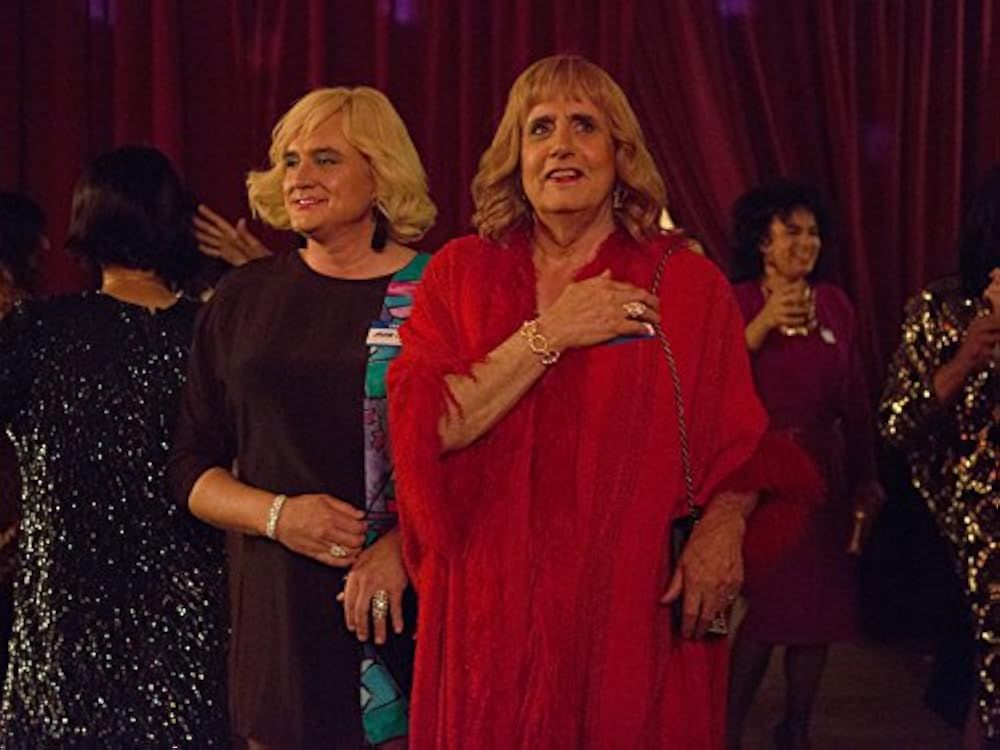
Whether any of these shows were comedies was a frequent point of discourse for most of the 2010s, especially if you cared about the awards conversation. While Transparent certainly has funny scenes and moments, it rarely makes you laugh out loud. Other rough contemporaries of Transparent — especially Louie and Girls — were built around strong comedic points of view, so even when they weren't making you belly laugh, their overall worldview was wry enough to just get over the line for most people. But Transparent was longtime TV writer Joey Soloway's attempt to dramatize what happened in their family after their parent came out as a trans woman late in life, and the tone of its humor could be described as "wistful" at best.
In the 2010s, I routinely defended Transparent's classification as a comedy on the grounds that it was a show where the characters were working toward healing instead of actively spiraling apart. I now think that reasoning was a little specious — couldn't it also describe known drama Mad Men? — but I still think Transparent is best described as a comedy. The best argument in its favor, I'm convinced, lies in its treatment of memory.
Want to read the rest? Upgrade to premium today!