Check out what premium Episodes subscribers were reading in May!


Hello, beloved free subscribers! June is here, and with it the close of an exceptionally busy month at Episodes. We published 19 pieces this month, with new writing from us four (or sometimes five!) times a week on on Blue Heron, The Sopranos, Obsession, and more.
Premium Episodes subscribers got all those pieces right in their inboxes, along with Discord access, the ability to ask questions for the Mailbag, and other fun extras. Free subscribers, though, only got a handful of open-access newsletters. We think those pieces were neat, too! But we thought you might want a sneak peek of some of the ones you missed out on.
Want to unlock all these pieces and more? Pick up a premium subscription using the button below!
The shot in Blue Heron that still makes me cry days later | Emily St. James, May 8 2026
 Emily St. James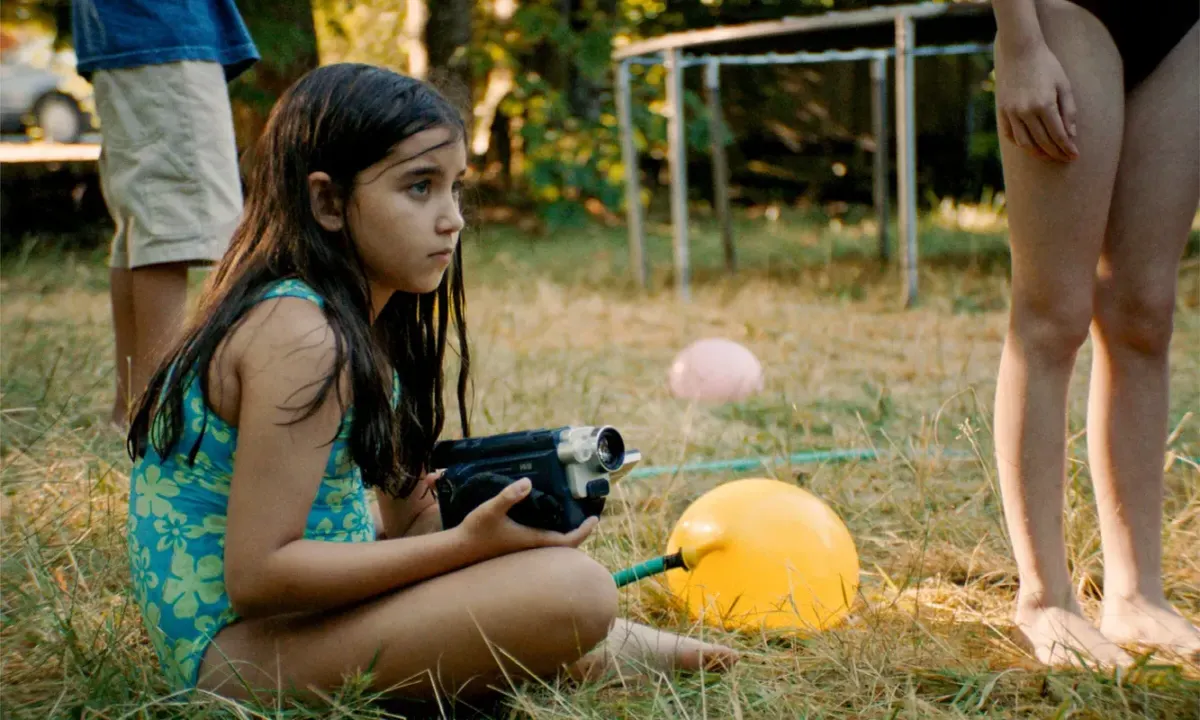
Think of a ridiculous story, one that seems to have little relation to the real world, that nevertheless speaks to something buried deep inside of you. As a for-instance, let's use Star Wars, a wildly improbable tale that continues to speak to millions worldwide. For as much as the story of that film is a primal one, motivated by global monomyths and what-have-you, its presentation is driven by George Lucas's desire to create a movie that mashed up many of his favorite things as a boy and young man. From aerial dogfights to Kurosawa movies to tales of brave knights rescuing princesses, Star Wars speaks to people because it's an unfiltered glimpse at the sort of story Lucas's child self most wanted to see.
The best art, the art that really resonates, starts in that place, even if it's the most commercial thing imaginable. "This is something that doesn't exist, but some part of me wishes it did, so I'd better make it" is as pure a distillation of the artist's impulse as I can think of, and, oftentimes, the artist is pursuing something they've been wrestling with since childhood. For instance, Hayao Miyazaki's 2023 film The Boy and the Heron features several images from a child's point of view that are so specific in their detail that they seem as if they must have come from his own childhood memories, even though he's in his 80s.
The more personal these works become, however, the more the artist risks never finding an audience who will care. Some art can be made only for the artist, but most of it is made better by inviting others in to process the art together. What Romvari does is take something deeply personal, a fictional spin on things that happened to her, and universalize it by talking about the raw, underlying impulse to tell stories about the things that hurt us as kids that we never quite understood.
Pluribus: Episode 9, "La Chica o El Mundo" | Lily Osler, May 5 2026
 Lily Osler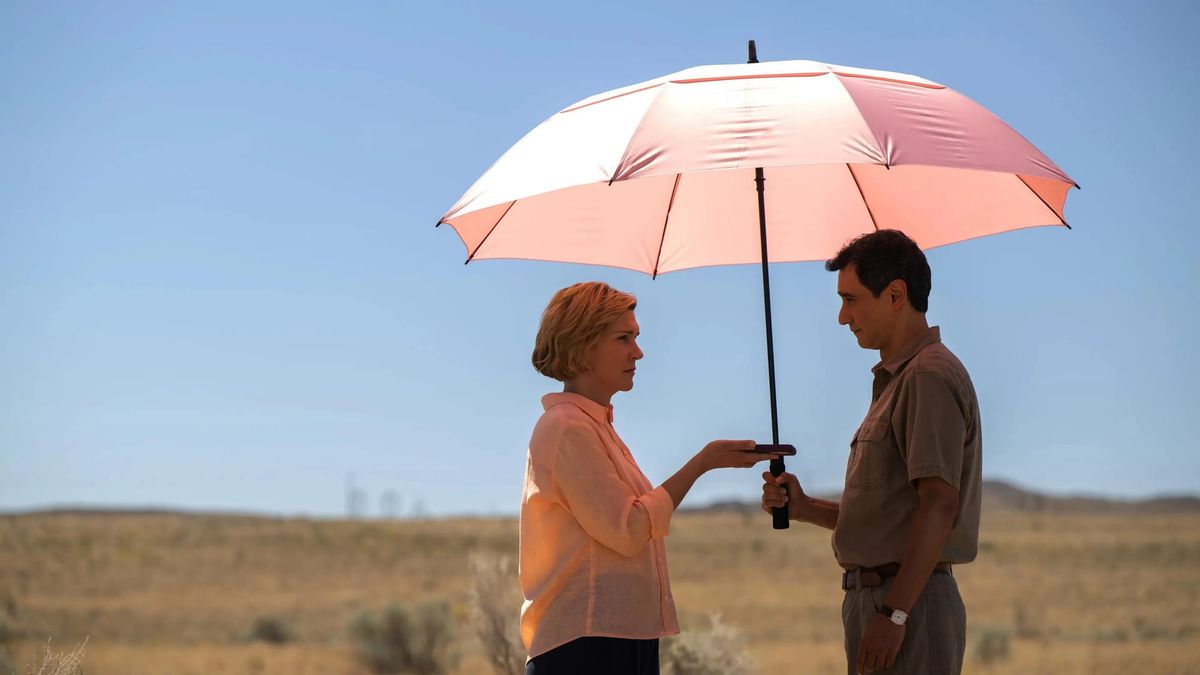
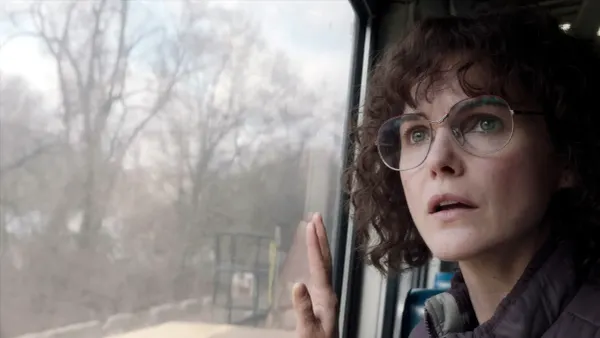
This insistence on nuanced characters — on refusing to treat people as stand-ins for abstract concepts or reduce them to diametrically opposed ideals — is, ultimately, what separates Pluribus from so much other sci-fi. It's not interested in the speculative simply as a one-to-one metaphor for some particular part of human existence or an omnipresent force meant to drive characters to extremes. The Joined are a massively powerful entity — a party, an ideology, a nation — that are nonetheless not entirely comprehensible, not easily reduced to a single idea or metaphorical stand-in; it only follows that characters who have to react to the Joined will be forced to confront the thorny contradictions that lie dormant in their own hearts. It's like a Tarkovsky film about someone who writes romantasy, like a Le Guin novel about a woman who gets most of her calories from vodka.
Pluribus is an imperfect show — in this episode, for instance, I would have liked to think a little bit more about racial and gender dynamics between Manousos and Carol! — but it's one that uses metaphor without reducing everything down to it. There is room for imperfection, for change, for nuance, for the very human experience of holding two things together at once even as they contradict. That is rare and meaningful and something to be cherished as we wait (and wait, and wait) for the show's second season to get a premiere date.
The Sopranos finale could have been made yesterday | Emily St. James, May 6 2026
 Emily St. James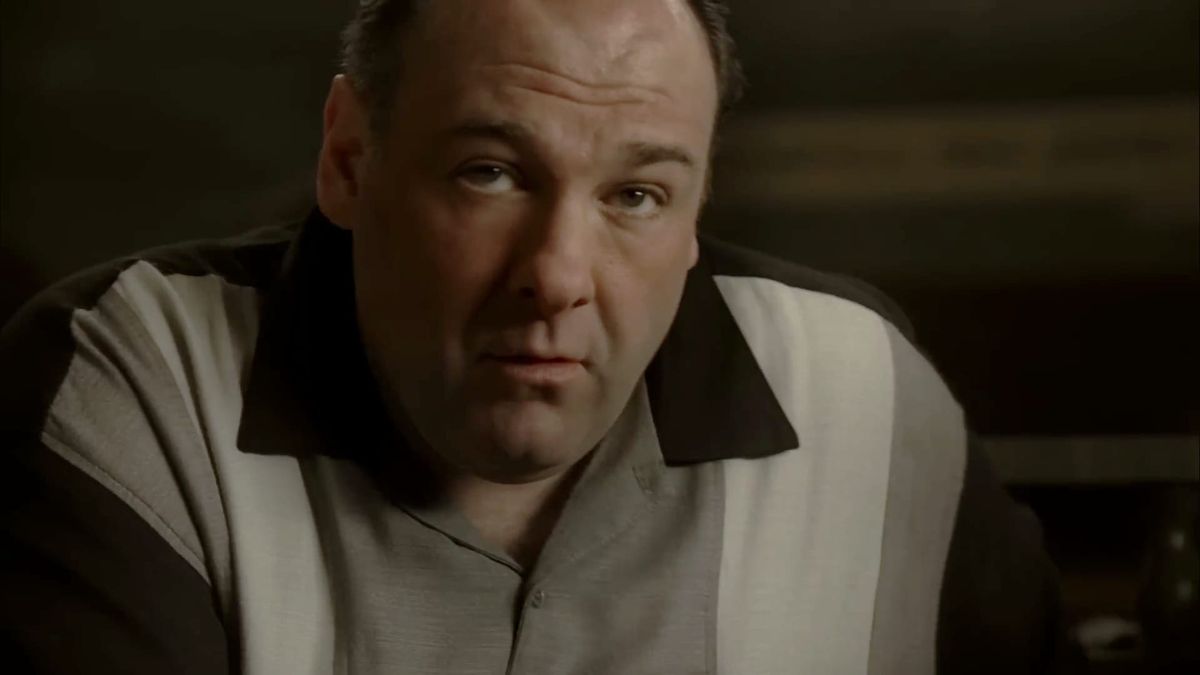
From a modern perspective, the eeriest part of the Sopranos finale is how one of the potential careers AJ floats to his father is becoming a private helicopter pilot for someone like Donald Trump. Tony, later, also evokes "the Donald," whose time as host of The Apprentice was already on its long downward ratings slide when this episode aired. Still, Trump served as a useful shorthand of the kind of guy AJ might see as a huge success he would want to emulate. It was that same quality, that same ability for just about everybody to equate Trump with unfathomable wealth, that would propel the man to the White House. Twice.
Obviously, there are plenty of TV shows and films that had used Trump as a stand-in for "very rich man" before, but it feels particularly eerie in "Made in America" because it is perhaps the only episode I've watched for this project that feels like it could have been made sometime in the last year. Yes, the fashion and production design are very of the late 2000s, and, while the show is handsomely produced on every level, it quite obviously doesn't have the mega budget of today's biggest hits. And yet at every turn — even in moments when the episode pauses the action to deliver very specific jibes about George W. Bush-era politics — the episode's thematic concerns feel completely of the moment.
In realizing this, it is tempting to give Chase and his collaborators too much credit for their prescience, yet the people who made the show automatically built a self-critique on this point into the episode itself. Throughout, the episode makes allusions to pop culture of the 1960s, particularly The Twilight Zone and Bob Dylan, while nodding to the idea that these works seemed to be speaking about the then-present. AJ directly says just that about the Dylan track he listens to right before his car explodes. The Sopranos didn't predict the future; it so keenly observed its own present that its findings continue to hold weight today. The venal, self-obsessed, self-pitying America of The Sopranos is the same fatuous, overly commercialist America Dylan was writing about is the same hollow land I find myself writing about today. America is always America. People are always people. The Sopranos' cynicism about our inability to live up to our better natures has aged so well because, well, look around you.
Episodes Monday Rundown May 18–24 2026 | Emily St. James and Lily Osler, May 25 2026
 Emily St. James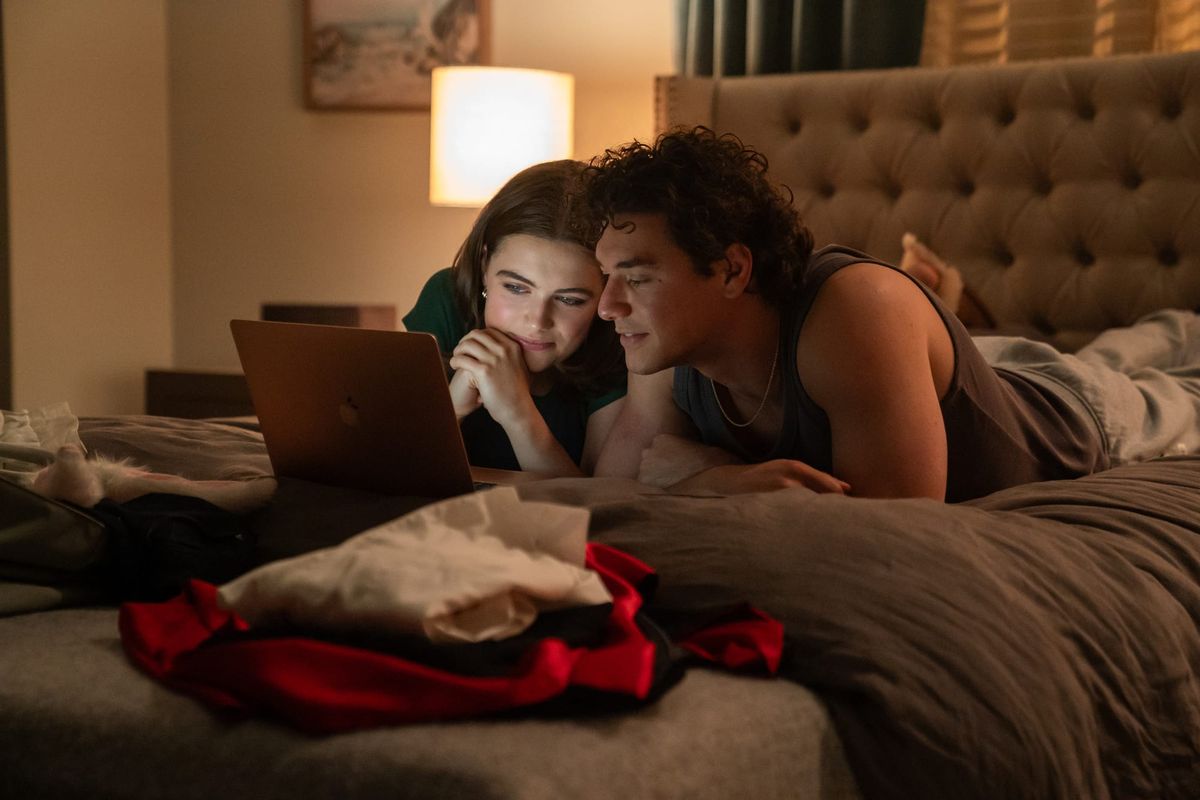
Emily: I have never been a religious viewer of the Colbert Late Show, and even when he was hosting The Colbert Report, my viewership of that show tapered off in the Obama era. I appreciated the Colbert Late Show when I checked in on it without ever quite loving it, though I thought he was head and shoulders above every other late-night program in figuring out how to navigate producing his show amid the Covid-19 lockdowns. (That period was probably when I most faithfully watched Late Show.) The show always aimed to be a kind of classy that never quite overlapped with my lifetime. Like I am young enough to not have any real memories of the Johnny Carson Tonight Show, and all of my late-night knowledge stems from an early love of David Letterman. For better or worse.
Still. I've never met a late-night show whose ending didn't make me feel a little bit sad, even if I didn't routinely watch it. There is something inherently melancholic about this thing that's just always been there suddenly going away. Plus, the end of the Colbert Late Show carried with it a worrying undertone of capitulation to Trump driving the cancellation. So not only was I sad at the thought of Colbert not being regularly on TV for the first time since the late 1990s but I also got a lovely hint of apocalyptic thought for my troubles. The finale was uneven, over-long and hit-and-miss when it came to comedy. But it also tried to serve as a sort of finale to an entire era of American television, and though I am not especially fearful about the end of freedom of speech on TV, I'm more worried now than I was before Colbert was canceled. Jimmy Kimmel's constantly drawing the president's ire, and John Oliver is about to be owned by the same corporate overlords who canned Colbert. That's not not worrying.
I know that the standard response to this is that the forms of entertainment that made up the former monoculture have splintered and mostly gone online. But it's telling that Colbert's show — a union gig that employed hundreds of people and paid them living wages — will be replaced by a show that doesn't do any of that, similar to how everybody's getting in on video podcasts because it's a way to do talk shows without having to employ union members. I can't say I love this trend, and of all the worrying things about the end of Colbert, that might be the one that worries me most.
One big thing hockey romance Off Campus and horror movie Obsession have in common | Emily St. James, May 22 2026
 Emily St. James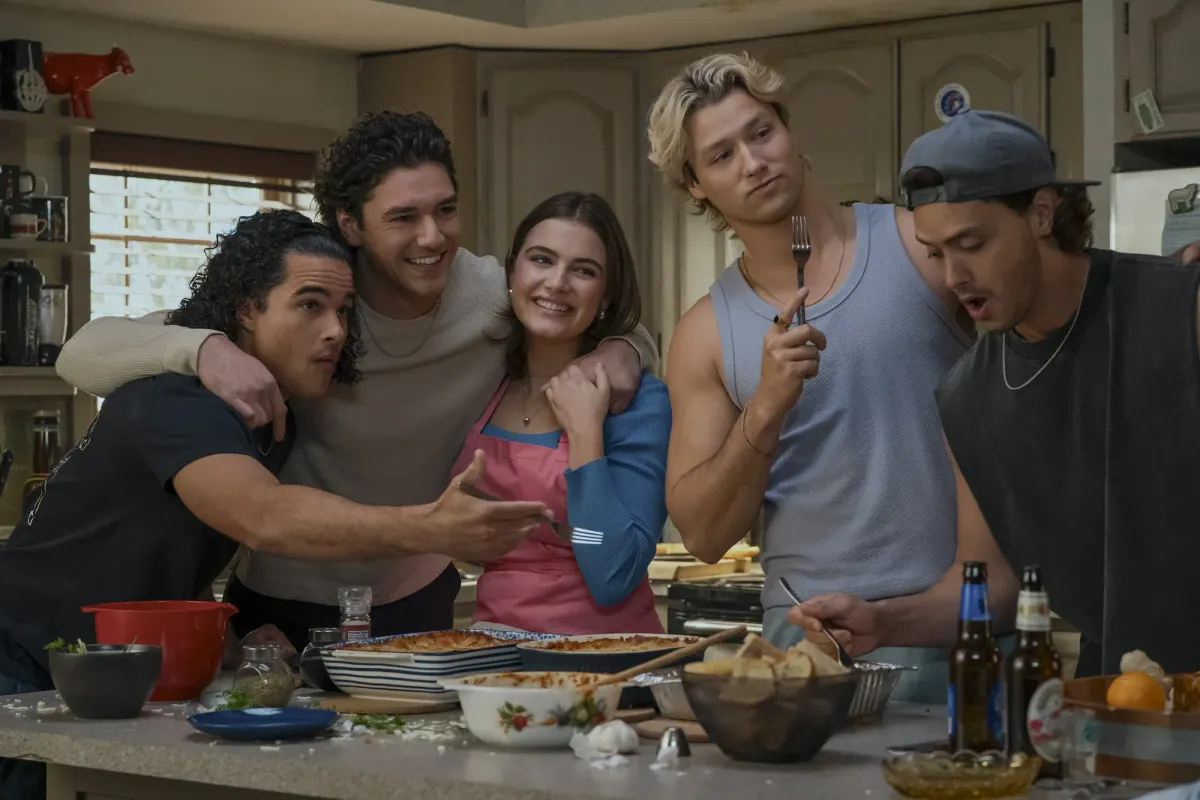
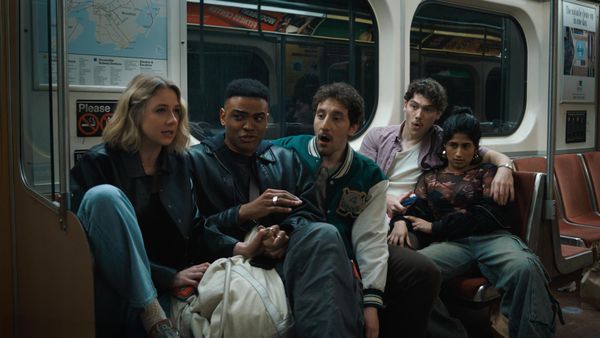
At first blush, romance and horror don't seem to have a lot in common as genres. One trends optimistic where the other trends pessimistic, but it's this mirroring quality that makes them interesting comparison points. After all, love and fear are among the most primal of emotions. Having sex and running away from monsters are both about continuing the species if you think about it. Similarly, trends in both genres often parallel each other because both genres are often attempting to parallel reality. "Dark romance" is having a moment in publishing, for instance, while horror is turning a bit more insular, away from the socially conscious titles of the 2010s and early 2020s.
I would also argue that because of this primal quality and this parallelism, both horror and romance are genres through which we talk about the things currently causing society-wide levels of anxiety. The so-called male loneliness epidemic has become a very trendy thing to talk about since Gen-Z men tilted slightly toward Donald Trump in 2024 compared to how they had voted in previous elections, but neither Off Campus nor Obsession feel like they're jumping on some sort of bandwagon here, and, indeed, production timelines are such that they couldn't have been. "Young men live in a society that conditions them to not talk about their emotions" is a very old problem and one that is not easily solved.
Intrigued? Want to read the rest of any/all? Just click the button below to pick up a premium subscription and enjoy Episodes in your inbox four times a week!