If we ran the Oscars: 9 movies from 2025 that deserved nominations
The Academy may not have appreciated them, but YOU can!


With most major precursors awarded and the big night less than two weeks away, we're entering the endgame of 2026's Oscars season. The nominated films this year, from heavy-hitters like Sinners and One Battle After Another to smaller features like Blue Moon and Train Dreams, are, across the board, pretty great. But, as happens every year, some very deserving movies got left out of the conversation.
Here, Emily and Lily run down the films they wish had gotten a little more love from the Academy — and that you should make a point of watching, nominations be damned.
Superman (dir. James Gunn): Since the Oscars expanded past five Best Picture nominees in 2010, they have generally saved a spot or two for a huge blockbuster that nevertheless had a modicum of quality to it all the same. In 2025, the blockbuster nominees are Sinners — also one of the films in real contention to win everything — and F1, which is just happy to be there. And listen: I had fun with F1. Javier Bardem and Kerry Condon are so good, and director Joseph Kosinski knows how to do "cars go fast."
But dang it all, I will go to my grave saying the best popcorn film of the year was Superman, and it's amazing to me that it received no attention whatsoever, despite having warm reviews, solid box office, and an Oscar-nomination-worthy performance from Nicholas Hoult as a petulant tech bro Lex Luthor. In an Oscars season that seemed happy to reward films for having accidental timeliness, Superman got relegated to superhero fluff when its embrace of hope and optimism proved the shot in the arm a moribund genre has needed for a while. Isn't that enough for Best Picture? Or at least, like, Best Sound? —Emily St. James
 Emily St. James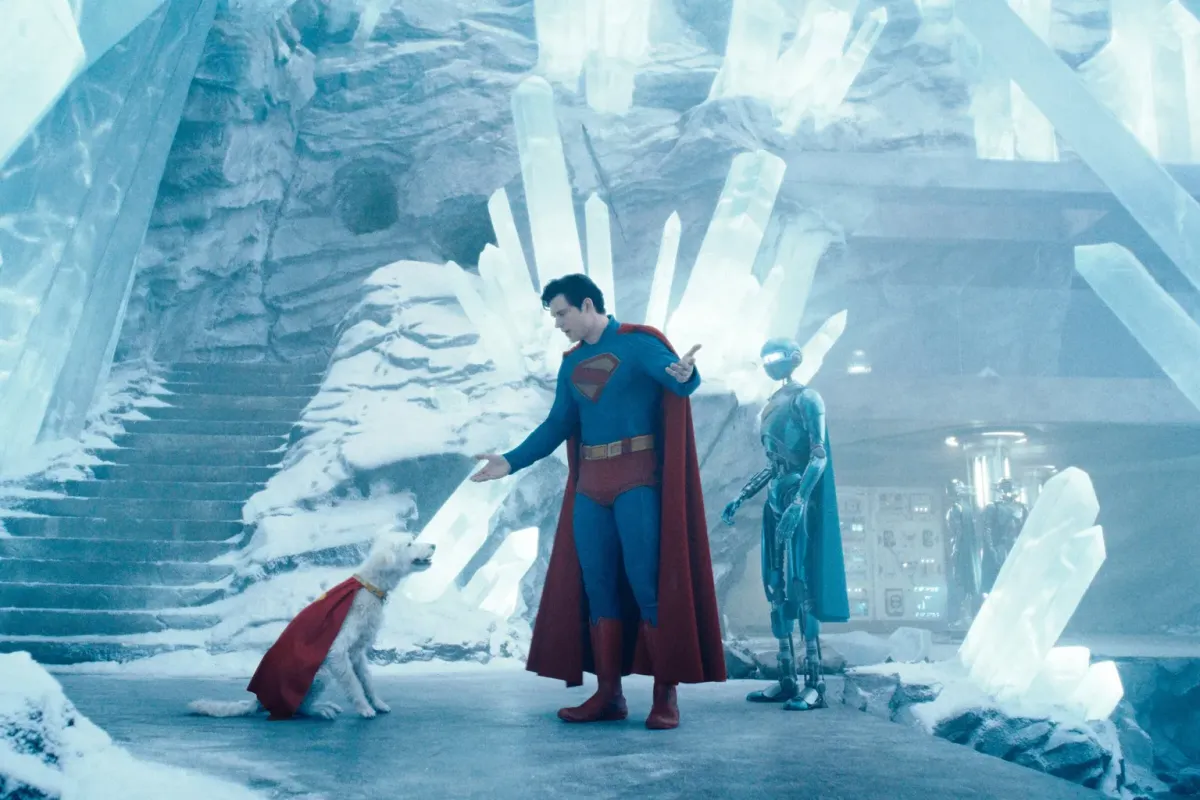
Companion (dir. Drew Hancock): I found myself absolutely transfixed by this movie, to the degree that I got home from the theater and immediately wrote out a list of 10 novel ideas I wanted to write inspired by this movie. (None of them are particularly good, for what it's worth. But, like, the muse was with me or whatever!)
For some reason, I'm always drawn to works of art about the inner experience of realizing your entire life up until an arbitrary point was illusory and constructed and that you are now, for the first time ever, actually in control of your path forward, so I didn't mind that Companion's themes, particularly its critique of patriarchy, were pretty one-dimensional and overplayed. Sophie Thatcher, in particular, does an exceptional job making a pleasantly twisty but intellectually light script into a vehicle for existential horror. In fact, while I feel kind of bad about saying it, she's doing a better job deepening an underwritten character in Companion than many Oscar-nominated actors are doing in their own rather underwritten roles! Which is to say that, yes, I would kick Jessie Buckley out of Best Actress contention in favor of Thatcher's performance here! Sorry! —Lily Osler
(Standard disclaimer: Thatcher is one of the stars of Yellowjackets, for which Emily writes; Lily shepherded this pick from idea to publication!)
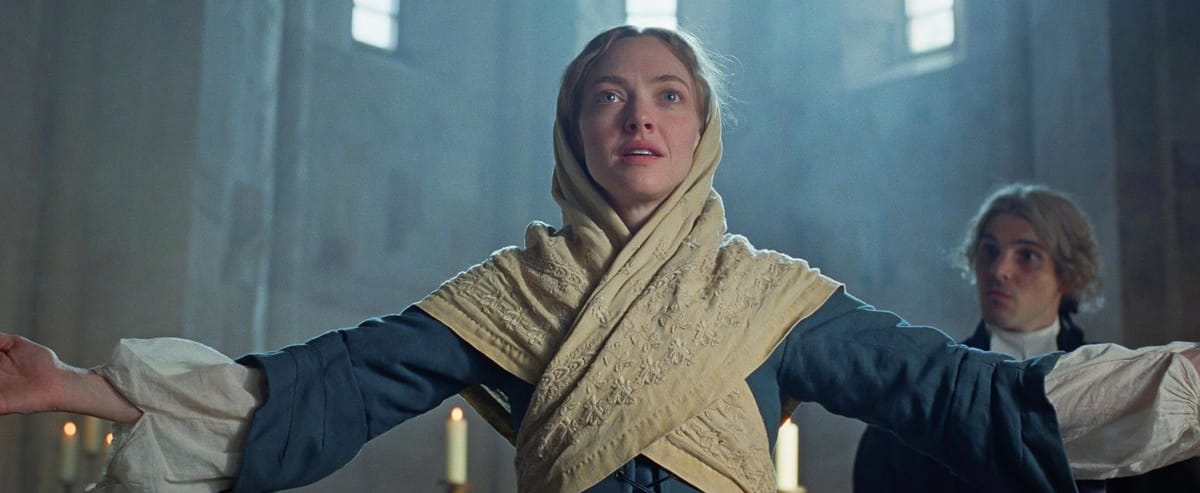
The Testament of Ann Lee (dir. Mona Fastvold): The hip, clout-chasing thing to say is that it's so like the Academy to boost 2024's The Brutalist — an epic fake biopic about a bold man who builds things — over 2025's The Testament of Ann Lee, an epic real biopic about a lady who thinks she's Jesus and convinces a bunch of other people along the way. And, yes, both films are from the same filmmaking duo of Brady Corbet (Brutalist director) and Mona Fastvold (Ann Lee director), who co-wrote both films and assistant directed the movie they weren't directing. Yes, the Academy undervalues stories about women. Yes, yes, yes. But the argument I advanced above ignores how goddamn weird this movie is. It's a movie told from the point of view of a convert, who is trying to proselytize to us, but it's made by a woman who is, like, "Uh, the Shakers seem cool, but also kind of culty??" It so often blurs the lines between those two perspectives that it can be hard to tell where you're standing. And did I mention it's a wildly unconventional musical that also asks you to take faith deeply seriously? A thing the American film industry frequently struggles with?
So, yes, I get why this one never got traction for Best Picture, but dang it all, Amanda Seyfried gave the performance of the year as Mme. Ann Lee, Daniel Blumberg's score bests his Oscar-winning Brutalist work, and the design elements were all staggering, especially when you consider the movie's extremely tight budget. How did they so convincingly fake a full-ass sea voyage on $10 million? I don't know! Alas, this movie got blanked, though I hope it finds the cult (ha ha) audience it so richly deserves. —ESJ
No Other Choice (dir. Park Chan-Wook): I'm kind of befuddled that this movie got zero nominations! It's quick-paced, extremely funny, and is just enough about the depredations of capitalism that a hypothetical Academy voter could get its meaning without necessarily feeling personally implicated by it. I get that International Feature was stacked this year, but it still feels like a travesty.
I feel like I could defend No Other Choice's inclusion in just about any Oscars category, up to and including Best Picture, but for the sake of convenience I'll stick to the part of the film that I feel is most obviously deserving of recognition: its screenplay. While the movie is adapted from a novel (1997's The Ax, also the source of 2005's French film The Axe), it feels completely and thoroughly Park Chan-Wook's own. A large part of that is Park's classicist tendency to give all his characters satisfying and thematically salient arcs, which he somehow manages to pull off without stepping on his main plotline's toes. Man-su's family members immediately come to mind — Mi-ri gets her dental adultery plot! Si-one is a little thief! Ri-one gets to play her Dog Symphony! — but even Man-su's victims, particularly Seon-chul, get inner lives that blossom and change as the film goes on.
That such rich and often hilarious characterization doesn't distract from the film's themes or kill its tension is a testament to Park and his cowriters' skill in crafting the film's script; even as (mostly) a Frankenstein appreciator, I wouldn't hesitate for a second to bump it from Adapted Screenplay to give No Other Choice a nom. —LO
The Phoenician Scheme (dir. Wes Anderson): Late-period Wes Anderson isn't for everyone. After The Grand Budapest Hotel and particularly since the start of the 2020s, his work has gotten more thickly plotted, more densely layered, less accessible, and, worst of all, somehow even fussier than it already was. He's still interested in the same set of themes he's always toyed around with — the strained ways families love one another, the hole left in one's psyche forever by the death of a parent — but there's no nakedness to them any more. They're all covered up by layer after layer of artifice, elaborate sets and new typefaces where open expressions of emotionality could once be found. It's unsurprising that he's even less of a shoo-in for Oscar noms than he was around the time of Grand Budapest.
Sometimes this works to Anderson's detriment; I struggled massively to connect, like, at all with The French Dispatch. But in Asteroid City and The Phoenician Scheme, I've found that Anderson's over-constructed worlds can deepen, not muffle, the aching emotions at their centers. In the same way that a cheery song can make a sad moment sadder, the title cards and purposely-artificial backdrops in The Phoenician Scheme work by counterpoint to make the family estrangement at the movie's center more melancholy. The film's final scene, of Liesl and Zsa-Zsa silently playing cards between shifts in a restaurant kitchen, is remarkable for its stillness in a typically frenetic movie, and it has stuck in my brain with more potency and emotional resonance than many famous scenes from classic-era Anderson movies. It may not be the year's best film, but it deserves at very least a Best Original Screenplay nomination. —LO
Become a paid subscriber: You'll get access to three weekly newsletters only paid subscribers receive, the Episodes Discord, and almost a decade of archives. Sign up for as little as $5/month below!
28 Years Later (dir. Danny Boyle): I've written about this movie a bunch already, and I get why a zombie legacyquel/coming-of-age story with mediocre box office wasn't exactly a natural fit for the Oscars, even if I would have nominated it all over the place. Alex Garland's script smartly updates a film from the early 2000s, while adding politically astute storytelling for a new era. Anthony Dod Mantle's iPhone-based cinematography is legitimately groundbreaking. Ralph Fiennes??? Ralph Fiennes!!! He's perpetually brilliant, and he was even more so here. I would love if he were in the conversation for The Bone Temple (which won't be eligible until the 2027 Oscars), but I'm not holding my breath.
But dang it all, if I'm boiling down my Oscar wishlist to one thing, then I really do wish Young Fathers' score for this movie had cracked the list. It was by far my favorite score of 2025, adding frequent bursts of rock cacophony to the movie's hushed landscape and knowing when to go ethereal and big if necessary. Heck, it's so well incorporated into the overall soundtrack that let's give this movie a Best Sound nomination too. It's only fair! —ESJ
 Emily St. James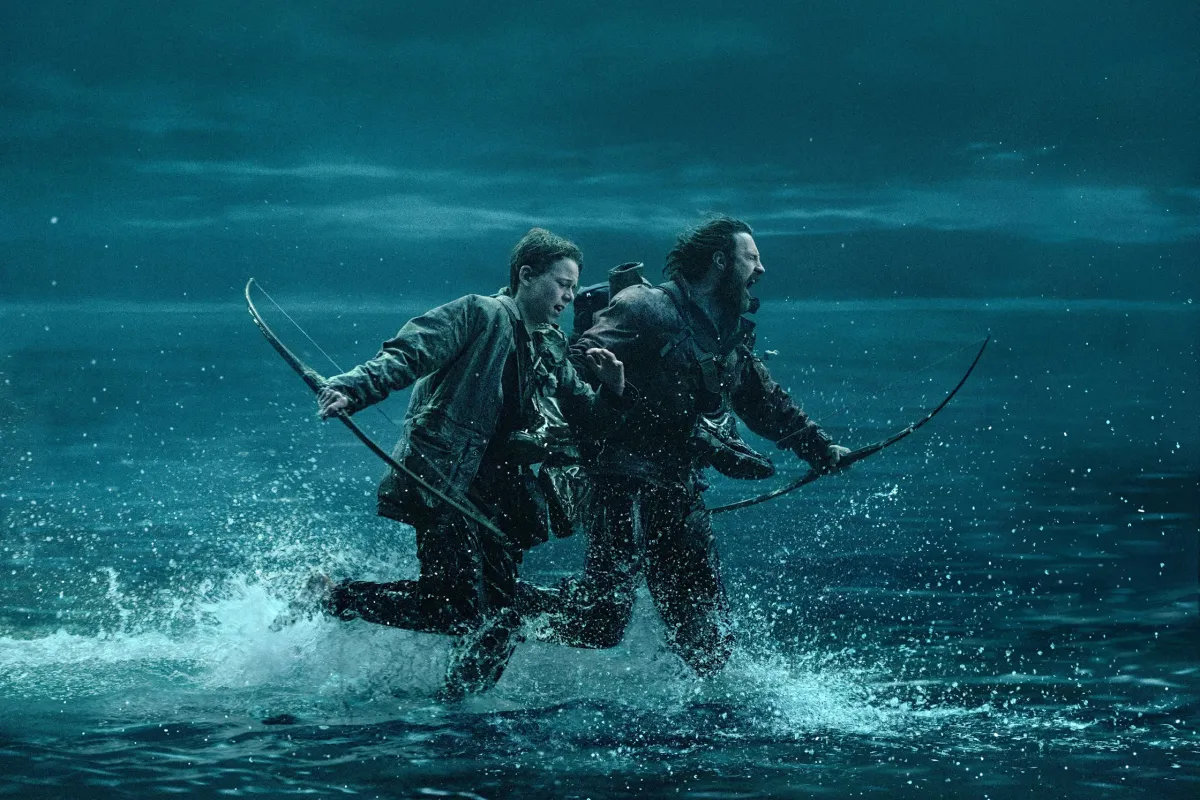
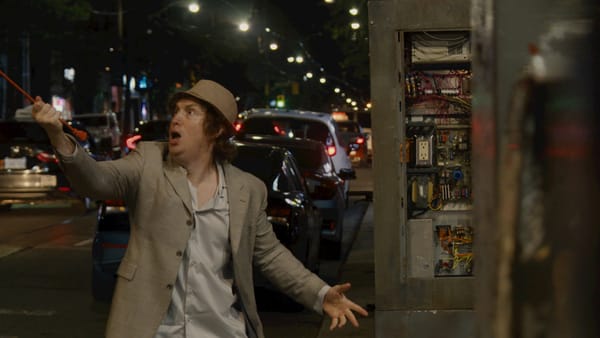
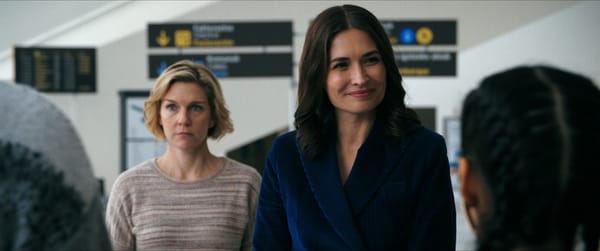
Final Destination: Bloodlines (dir. Zach Lipovsky, Adam Stein): As a huge FD-head — I am a proud owner of the Final Destination five-film box set and will defend every single one of them, except maybe The Final Destination, as a masterpiece in its own way — I felt a sense of grim terror around the possibility of a series reboot that would be about families and legacies and all that stuff. The appeal of the Final Destination movies has never been character or continuity or any of that; these are films that exist to show you the various ways the human body can be bisected. There could be no worse fate for a Final Destination revival, I thought, than for it to become a grim, trauma-focused iteration of David Gordon Green's Halloween sequel trilogy.
Oh, how lovely it was to be wrong! The "family curse" element of Final Destination: Bloodlines' script turned out to be mostly a vehicle for an extremely fun 1960s-set opening kill and a new, fun dynamic between the people on Death's shit list. It's clear the film's directors and writers felt a deep loyalty to the franchise's history, as the actual death scenes in the film are, if anything, even more balletic and oddly hypnotizing than the franchise's norm. The MRI scene has gotten plenty of love, and I think it deserves every bit of it; it's probably just behind the third movie's tanning-bed sequence in my personal power rankings of Final Destination kills, but it's a close second.
And if there's one thing I've learned from behind-the-scenes interview with Final Destination crews past and present, it's that those sequences take massive work to get right. They require you, as an audience member, to follow a chain of causation across an often-massive Rube Goldberg contraption while staying emotionally invested in a character from whom you are distanced by dramatic irony! It's a feat of set design and especially editing that they ever work the way they're supposed to. It's hard to get a horror movie, much less a horror-comedy, nominated for Oscars (although, hey, Weapons pulled it off this year!), but I think Final Destination: Bloodlines deserved F1's popcorn-flick spot in the Best Film Editing race. —LO
 Emily St. James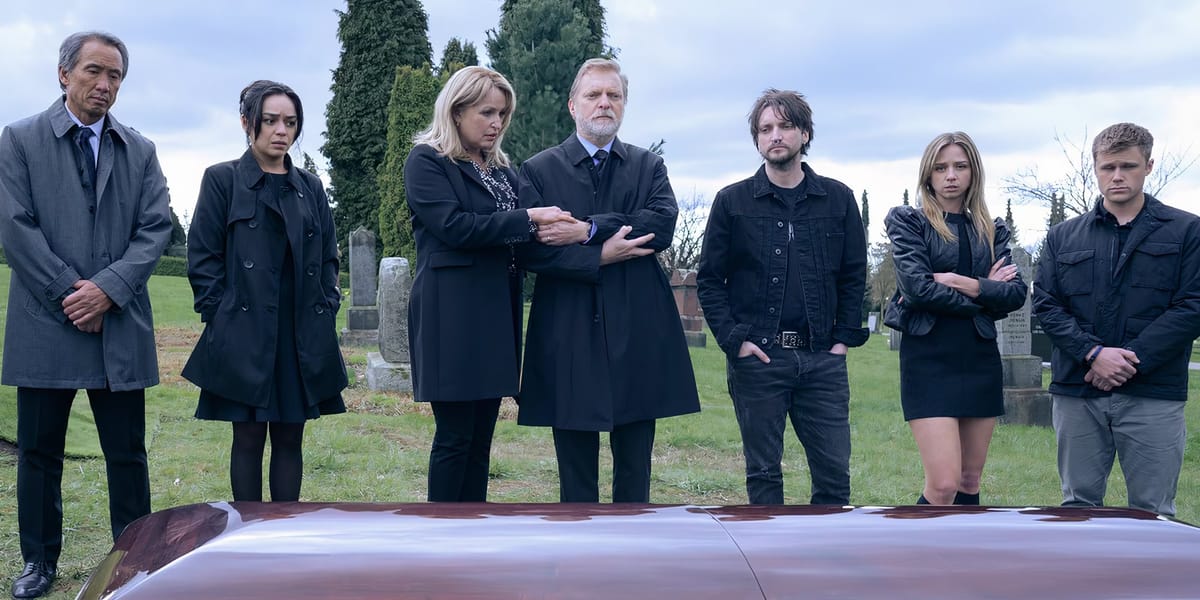
Wake Up Dead Man (dir. Rian Johnson): It's understandable that Wake Up Dead Man wouldn't get any Oscar nominations — it's a Netflix film, the third in a series, and less on-the-nose with its themes than its predecessors — but what a shame. It's the most thematically interesting of Johnson's Knives Out movies thus far, taking on right-wing American Christianity without losing a sense of how faith can guide people to empathy and kindness, even if its mystery suffers just a little bit for the emphasis it puts on its protagonist's moral journey.
Speaking of that protagonist: While this is, yes, a Benoit Blanc mystery, this is really Father Jud's movie. Jud, played by Josh O'Connor, is a young Catholic priest with a fiery streak who's been reassigned to a new parish after clocking a deacon in the face. He's a sincere believer who found peace in Christianity after killing another man in a boxing ring years ago, which makes him a perfect foil for Josh Brolin's slick, slimy alt-right head priest-turned-corpse. For the first half of the movie, that's enough to propel Jud's character along, but then a chance meeting with a woman deep in guilt and anticipatory grief — one that Emily wrote about gorgeously in her piece on the film in December — opens up Jud's character in an unexpected and truly breathtaking way. In O'Connor's hands, Jud is a good person and a complex person at the same time, which is tricky act to pull off in the best of circumstances and harder still when a character is in a film series rarely known for its subtlety. Father Jud is one of my favorite characters from the last decade of American film, and Josh O'Connor deserves a spot on the Best Actor list.
And also, hear me out: the film is gorgeously shot! It's moody and atmospheric and most of all gorgeously tactile, thanks in large part to cinematographer Steve Yedlin's decades-long working relationship with Johnson. It certainly deserves a Best Cinematography nomination more than Frankenstein, a movie that is sometimes beautiful and sometimes looks like it's running on the Stranger Things game engine. —LO
 Emily St. James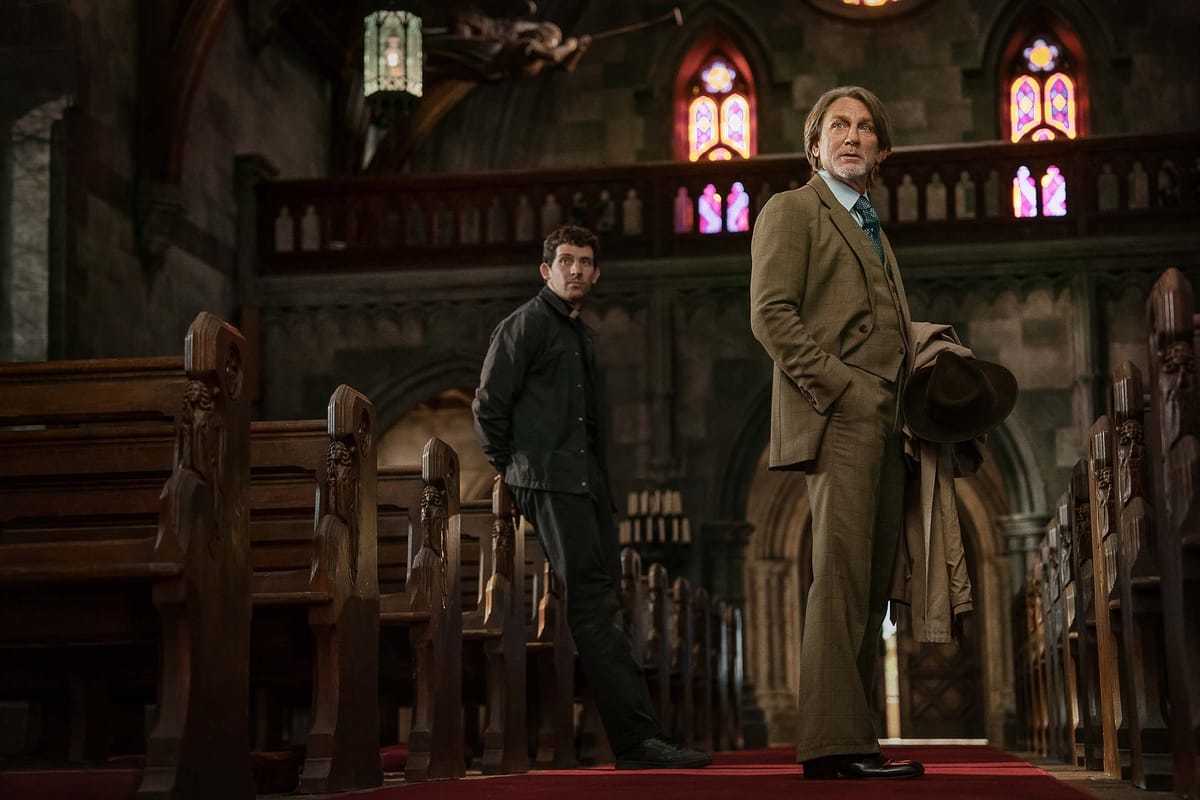
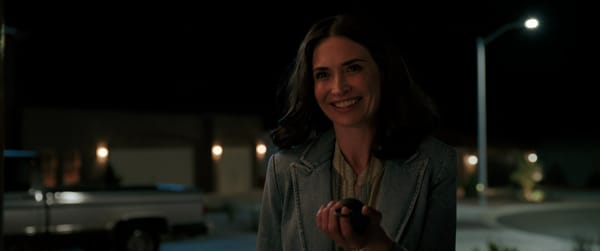
Materialists (dir. Celine Song): This is by far my most "NOW HEAR ME OUT" pick because in my experience, people hate this movie. And, like, if pressed, I wouldn't nominate it for anything beyond Best Original Screenplay and Best Original Song (Japanese Breakfast's "My Baby (Got Nothing At All)"), and even then, I would think long and hard about actually nominating it for Screenplay. And yet, I have not been able to shake this movie since I saw it in the summer. Is it sometimes all over the place tonally? Yes. Did it hit on something primal about love and desire that carried me through all of its considerable mess? Double yes.
I'm cribbing from the most recent episode of Blank Check, but this is one of the most feature-not-a-bug movies of all time, in that if you are on the movie's wavelength, almost any criticism its haters have — Pedro Pascal's slightly hollow performance, for instance — becomes one of the movie's strengths. Like of course he's slightly hollow! He's playing a man who's literally attempted to manufacture himself into the perfect guy and scooped out his soul in the process! Another for instance: I'm normally a Dakota Johnson skeptic, but dang it all, her slightly aloof persona really works for this movie, especially when the story starts to break through her icy exterior! Maybe it's because I've been working on a book that accidentally dovetails with this movie's themes, but I wish it had received some Oscar love. —ESJ
 Emily St. James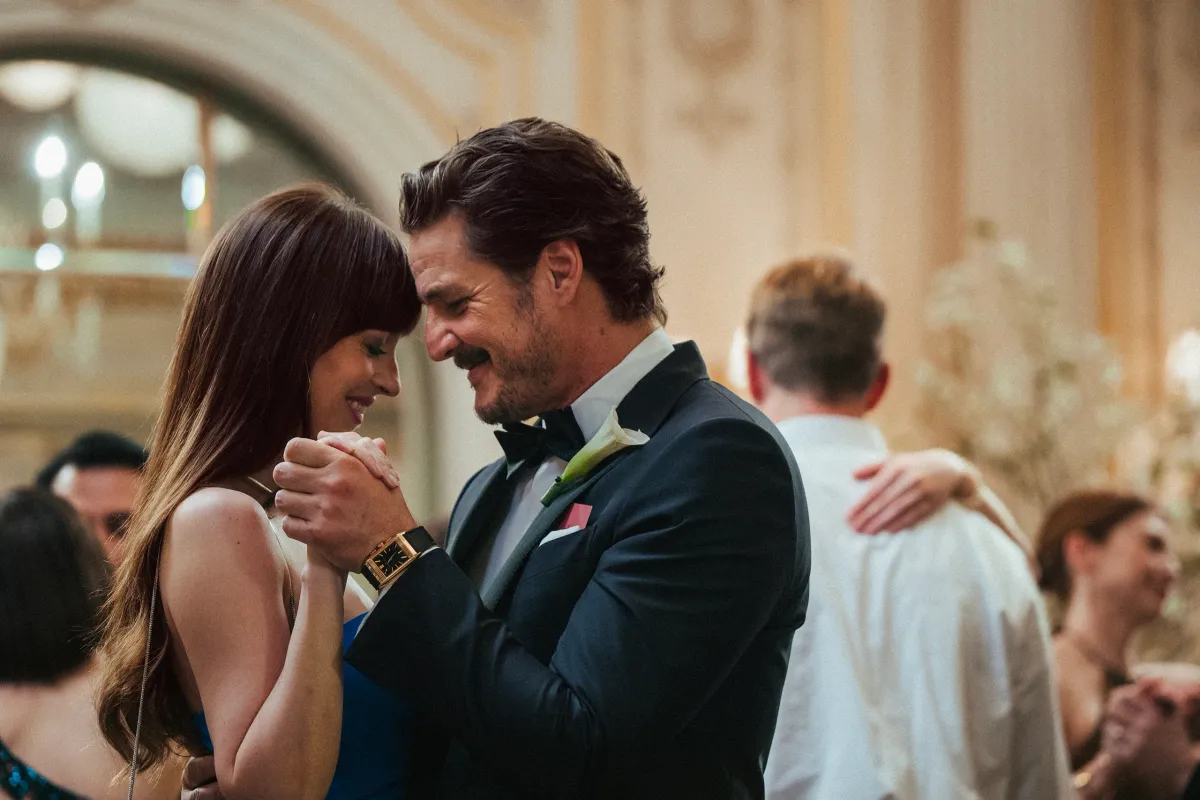
A Good Song
The free edition of Episodes, which (usually) covers classic TV and film, is published every other Wednesday. Premium subscribers get newsletters every Monday, Tuesday, Wednesday, and Friday. Our editor-in-chief is Emily St. James, and our managing editor is Lily Osler. If you have suggested topics, please reply to the email version of this newsletter or comment (if you are a paid subscriber).