Check out what premium Episodes subscribers were reading in October!
A little peek at this month's stories!

Hello, beloved free subscribers! It's been another busy month here at Episodes HQ: We published 18 pieces this month, with new writing from us every single Monday, Wednesday, Thursday, and Friday on media like Digger, You Can See Everything, and A French Village.
Premium Episodes subscribers got all those pieces right in their inboxes, along with Discord access, the ability to ask questions for the Mailbag, and other fun extras. Free subscribers, though, only got a handful of open-to-all Monday and Wednesday newsletters. We think those pieces were neat, too! But we thought you might want a sneak peek of some of the ones you missed out on.
Want to unlock all these pieces and more? Pick up a premium subscription using the button below!
Digger, explained | Emily St. James, October 16 2026
 Emily St. James

In a vacuum, this resembles other big-budgeted mega-flops that nevertheless won over a fervent cult. Digger's Letterboxd performance is eerily similar to that of Damian Chazelle's 2022 bomb Babylon, for instance, which currently sits at a 3.88 Letterboxd average, compared to a 57 percent Rotten Tomatoes average. What feels different about Digger hive is how vociferous the movie's fans can be — and how many of them seem to be in the entertainment industry. Like, I love veteran screenwriter Cole Haddon's 5 AM Storytalk, and I rarely see him as hyped about a movie as he is in this post about Digger. He's also pretty dismissive of critics who have raised what I think are substantive issues with the film, even if I don't always agree with those critics. What's more, a lot of the film's biggest supporters in the industry are, in essence, praising how much the movie hates them and the work they do, how it seems to suggest that literally all art backed by massive mega-corporations is tainted, empty, compromised.
That sounds great to me! And yet sometimes I doubt my commitment to Digger hive! I liked the movie but didn't quite feel like it pulled the whole package together for me. If I'm grading it on Letterboxd, I'm giving it the polite golf clap of a four out of five. This makes me the only person on the planet capable of properly adjudicating this debate. Just what's going on here? What does it mean? Will Digger hive come to your town?
What really came to an end in The Americans' finale | Emily St. James, October 7 2026
 Emily St. James
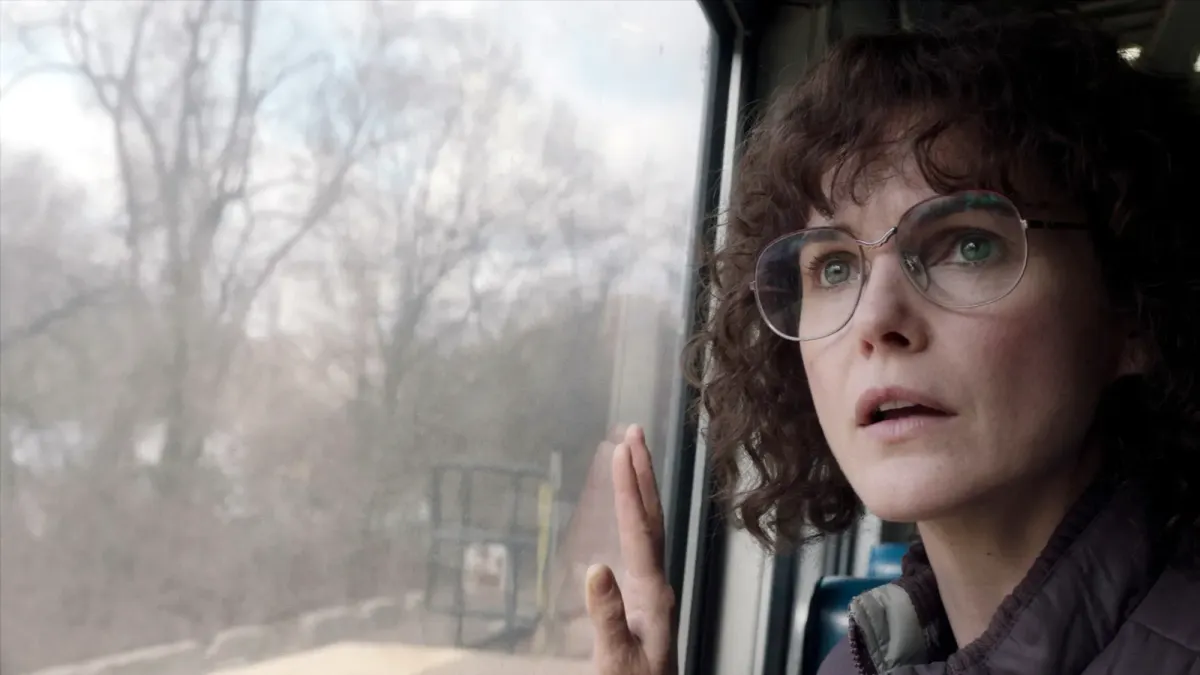
When I broke through as a TV critic, there was a growing assumption that TV audiences were smarter and paid more attention than we had previously given them credit for. I always believed that a viewer could be trusted to put pieces together for themselves and to follow complex narratives, that there was no need for every single moment of a show to be filled with incident.
Yet this is viewing the past with rose-colored glasses. Even in the time when I was working as a critic, that style of show constantly flirted with cancellation. Sure, some of those adult dramas blew up, but not everything was The Sopranos. Far more shows only seemed to run for multiple seasons thanks to the grace of supportive networks who valued library titles.
Which is to say: Far more shows were like The Americans – brilliant and always about to be canceled.
You Can See Everything is the best social horror movie of 2026 | Lily Osler, October 30 2026
 Lily Osler
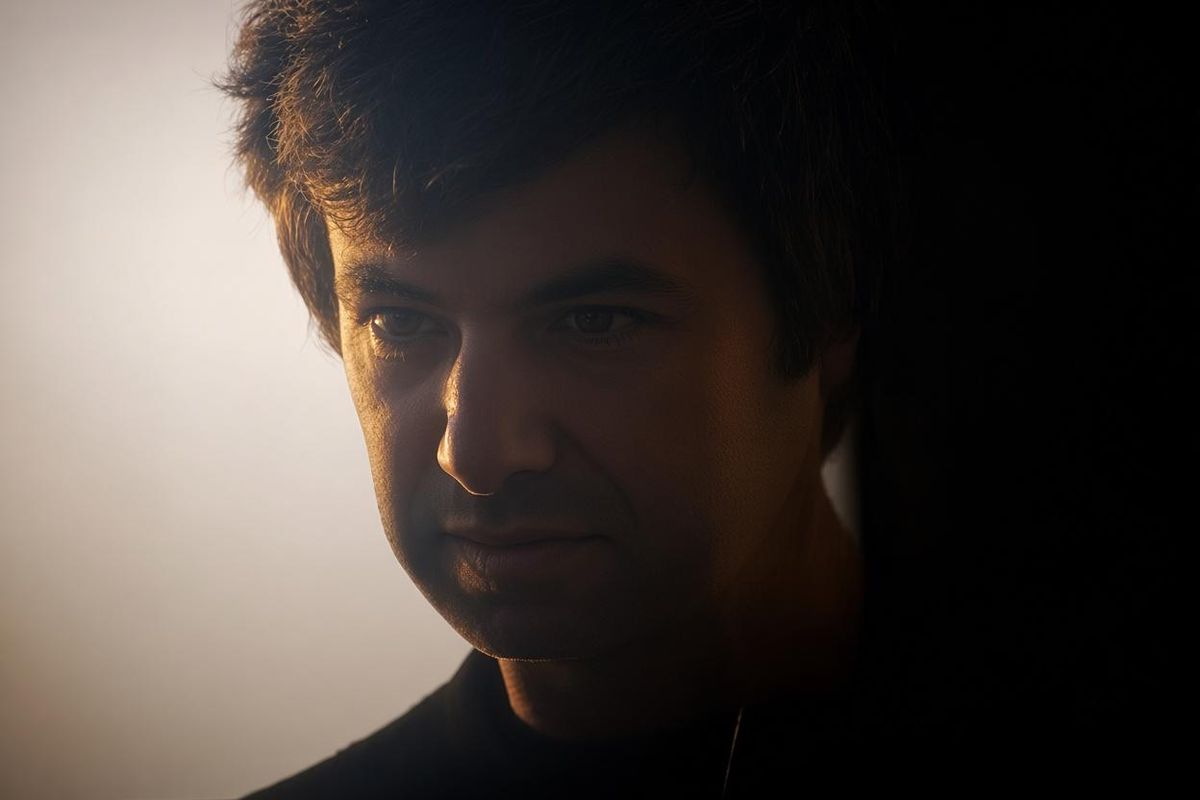
Admittedly, it feels strange to call You Can See Everything my favorite horror movie of the year, and not just because films like Obsession, Backrooms, and Robert Eggers' upcoming Werwulf have made this an absolutely jam-packed year for horror cinema. While horror film is a broad genre, it tends to only incorporate fiction on principle. Documentaries tend to get lumped, instead, into true crime. And the crimes committed by Elizazbeth Holmes, You Can See Everything's subject, were nonviolent and white-collar — hardly the typical subject matter of a frightening true crime doc.
And yet it's self-evident to me that You Can See Everything is a horror movie. I'd go so far as to say it has the potential to be a tentpole of the genre, not merely an exception but a full-on archetype. And I hope it rises to that canonical status: It's a horror movie that other horror filmmakers ought to learn from if they hope to keep their genre fresh and vital.
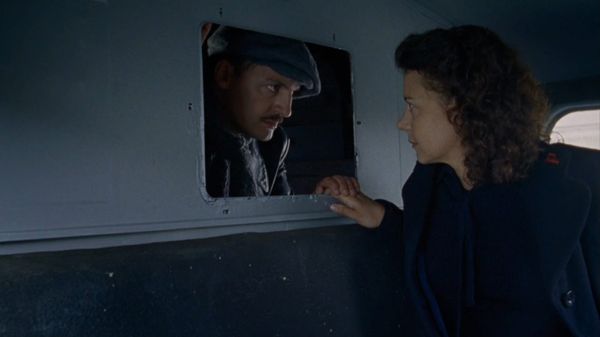
A French Village, Season 1, Episodes 5 and 6: "Black Market" and "Cold Spell" | Emily St. James, October 29 2026
 Emily St. James
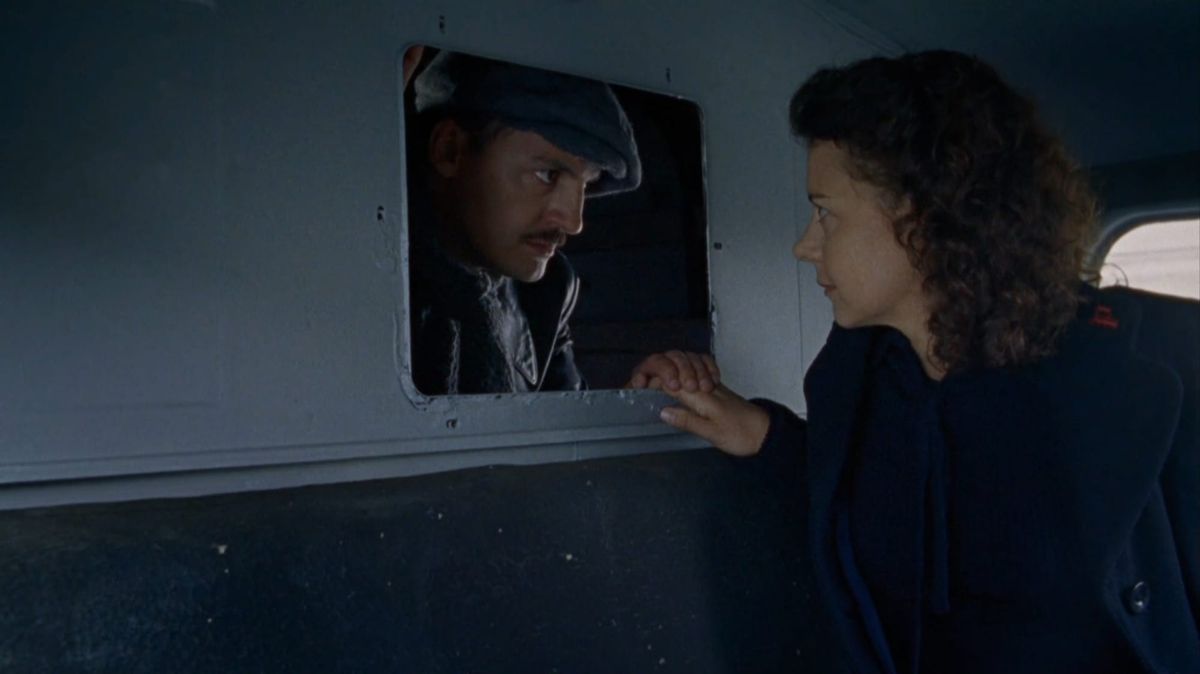
By far the most compelling TV characters are those who do good things for selfish reasons or those who do bad things for noble reasons. A French Village has given us a fairly classic example of the latter in Larcher, but in Raymond Schwartz, we're already getting one of my favorite examples of the former because every single scene in which he makes any choice is somehow both dramatic and incredibly funny. I can't wait for this show to be about Raymond Schwartz, the man who wanted to have sex so badly he brought down the Nazi regime.
How to make a movie with John Wilson | Carolyn Wang, October 9 2026
 Carolyn Wang
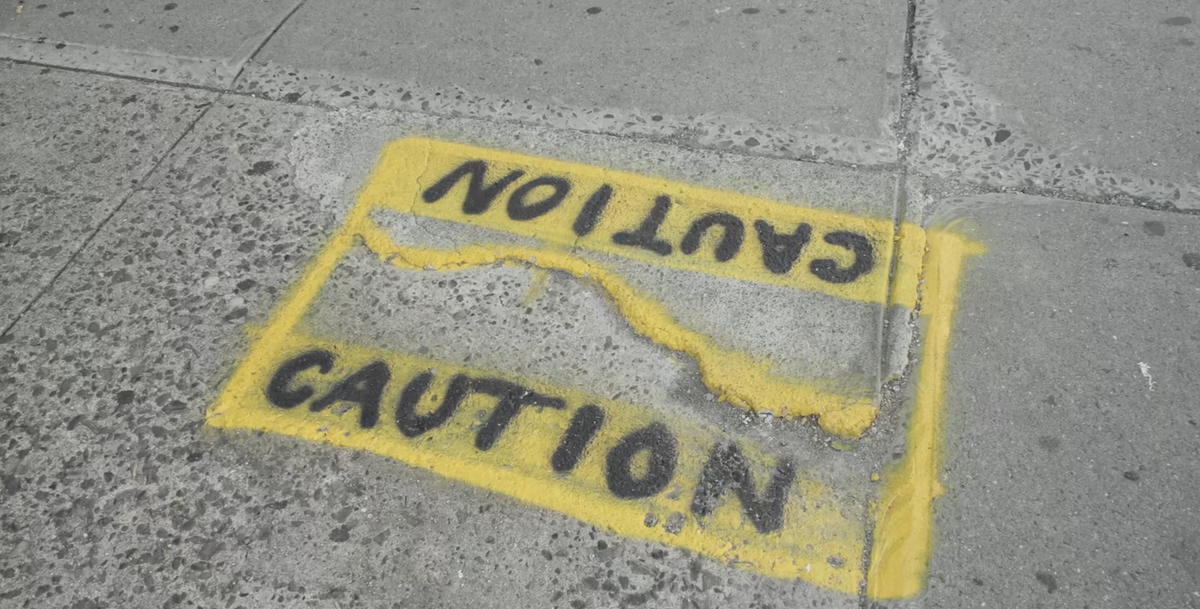
The History of Concrete can't escape AI's encroachment. At one point, Wilson discovers an Instagram ad that uses an AI-generated imitation of his voice to sell gutters. The ad plays like a parody of Wilson’s artistic approach: the idiosyncratic creator finds himself pushing an unbelievably mundane product. This uncanny moment of technological capture reappropriates Wilson’s voice, literally and figuratively.
Texts without authors, images without subjects, and symbols without referents: Generative AI realizes a capitalist vision where artists are no longer necessary for the production of cultural work. Such technology clearly puts independent creators like Wilson at risk. These days, if you wanted to learn about the history of concrete, you wouldn’t have to watch a 101-minute documentary; you could ask ChatGPT, Gemini, or any large language model.
But would ChatGPT’s history of concrete retain Wilson’s acute critique of late-stage capitalism? And would its narrative be so wondrous and strange?
Intrigued? Want to read the rest of any/all? Just click the button below to pick up a premium subscription and enjoy Episodes in your inbox four times a week!